How to Choose the Right Tile Ceramic Porcelain or Natural Stone for Every Space

Tile can make a room feel clean, warm, dramatic, calm, rustic, or refined. It can also be a costly mistake if the wrong material lands in the wrong place. A beautiful marble floor may stain in a busy kitchen. A glossy ceramic tile may look sleek on a wall but feel slippery under wet feet. A bargain tile may work well in a powder room but chip too easily in an entryway.
The best tile choice comes down to three things: where it will go, how it will be used, and how much upkeep feels realistic. Once those are clear, the differences between ceramic, porcelain, and natural stone become much easier to understand.
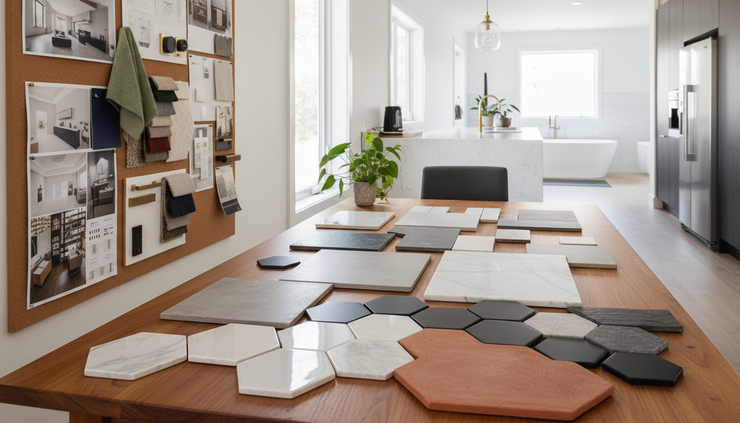
Ceramic, porcelain, and natural stone each bring something different
Tile materials can look similar at first glance, especially now that many products mimic wood, limestone, marble, or handmade clay. The real difference is often in how they are made and how they perform over time.
Ceramic tile is versatile and budget friendly
Ceramic tile is made from clay that is shaped, glazed, and fired. It is one of the most common choices for walls, backsplashes, bathrooms, laundry rooms, and light to moderate floor use.
Ceramic usually costs less than porcelain or natural stone, which makes it appealing for large areas or design-forward spaces where pattern matters. It comes in almost every color, size, and finish, from simple white subway tile to hand-formed styles with wavy edges.
Ceramic works especially well for:
Kitchen backsplashes
Shower walls
Bathroom walls
Fireplace surrounds
Powder room floors with lighter traffic
Decorative accent areas
The main tradeoff is strength. Ceramic can chip more easily than porcelain, and some types absorb more water. That does not make ceramic a poor choice. It simply means the location matters. For a wall, backsplash, or low-traffic floor, ceramic can be practical and beautiful.
Porcelain tile is dense, strong, and water resistant
Porcelain is also a ceramic material, but it is made with finer clay and fired at higher temperatures. This creates a denser tile that resists water, stains, and wear very well.
Porcelain is a strong choice for floors, bathrooms, kitchens, mudrooms, laundry rooms, and even outdoor areas if the tile is rated for exterior use. It often performs better than standard ceramic in high-traffic or moisture-prone spaces.
Porcelain works especially well for:
Kitchen floors
Bathroom floors
Shower floors and walls
Entryways
Mudrooms
Laundry rooms
Covered patios, when rated for outdoor use
Porcelain can also mimic other materials convincingly. Wood-look porcelain, stone-look porcelain, and concrete-look porcelain are popular because they offer the style of natural materials with less maintenance.
The downside is that porcelain can be harder to cut and install. That can raise labor costs. Its density is a benefit once installed, but installers need the right tools and experience.
Natural stone adds unique character
Natural stone includes marble, limestone, travertine, slate, granite, quartzite, and other materials cut from the earth. Every piece has its own veining, color movement, pits, fossils, or mineral variation. That uniqueness is the main appeal.
Stone can feel rich, timeless, and organic in a way manufactured tile rarely matches. It suits spaces where texture and natural variation are part of the design.
Natural stone works especially well for:
Bathroom floors and walls
Fireplace surrounds
Entryways
Accent walls
Kitchen floors, with the right stone and care
Patios, depending on the stone and finish
Stone requires more attention than ceramic or porcelain. Many stones need sealing. Some can scratch, etch, or stain. Marble, limestone, and travertine react to acidic substances such as lemon juice, vinegar, and some cleaners. Slate and granite tend to be more forgiving, though they still need proper care.
If low maintenance is the top priority, porcelain that looks like stone may be the better fit. If natural variation and character matter more, stone may be worth the upkeep.
Match the tile to the way the space is used
The same tile can be perfect in one room and frustrating in another. A smart choice starts with daily life.
Kitchens need durability and easy cleanup
Kitchen tile has to handle spills, dropped utensils, chair movement, crumbs, grease, water, and frequent cleaning. Floors need to resist wear. Backsplashes need to wipe clean easily.
For kitchen floors, porcelain is often the safest all-around choice. It is dense, durable, and available in many styles. Matte or lightly textured finishes give better traction than high-gloss finishes.
Ceramic makes sense for kitchen backsplashes because walls do not take the same impact as floors. A glazed ceramic backsplash is easy to clean and gives plenty of room for color, pattern, and shape.
Natural stone can look stunning in kitchens, but choose carefully. Honed marble has a soft, classic look, but it can stain or etch. Slate can provide texture and depth, while granite or quartzite may offer better durability. Seal stone as recommended and use cleaners made for natural stone.
Good kitchen tile choices include:
Porcelain floor tile in stone, concrete, or wood looks
Glazed ceramic subway tile for backsplashes
Zellige-style ceramic for handmade texture on walls
Slate or granite for a natural, durable floor
Honed stone for a softer look, with realistic maintenance expectations

Bathrooms need water resistance and slip awareness
Bathrooms are the most moisture-heavy rooms in many homes. Floors, shower walls, shower pans, and tub surrounds each have different needs.
Porcelain is a top choice for bathroom floors and showers because it absorbs very little water and stands up well to cleaning. For shower floors, smaller tiles are often useful because extra grout lines can improve traction. Always check slip resistance and choose finishes suited for wet areas.
Ceramic is a strong option for bathroom walls, tub surrounds, and shower walls when properly installed. It gives style flexibility without the higher cost of stone.
Natural stone gives bathrooms a spa-like feel, but it needs sealing and careful cleaning. Marble shower walls can look elegant, but they require more care than porcelain. Stone shower floors can also darken, stain, or hold soap residue if not maintained well.
For bathrooms, think beyond appearance. Ask these questions:
Will this tile be slippery when wet?
Is the surface easy to clean?
Does it need sealing?
Will the grout color hide or show buildup?
Is the tile rated for floors, walls, or wet areas?
Large-format porcelain can create a calm, seamless look on bathroom walls. Mosaic tile works well on shower floors. Ceramic wall tile can bring color without overwhelming the room.
Entries and mudrooms need toughness
Entryways and mudrooms take dirt, grit, wet shoes, pet paws, sports gear, and seasonal mess. These spaces need hard-working tile.
Porcelain is usually the most practical choice. It resists moisture and abrasion, and it is easy to clean. A textured or matte finish helps with traction.
Natural stone can also work beautifully in entries, especially slate, granite, or textured limestone. The surface should be appropriate for foot traffic, and sealing may be needed.
Ceramic can work in lighter-use entries, but it may not be ideal for busy households where heavy boots, bags, and gear hit the floor daily.
Living areas need comfort and style balance
Tile in living rooms, dining rooms, and hallways can be practical, especially in warm climates or homes with pets. The key is choosing a style that feels inviting rather than cold.
Wood-look porcelain is popular here because it gives the appearance of wood with better water and scratch resistance. Stone-look porcelain creates a polished look, while natural stone adds texture and depth.
Large-format tiles can make open spaces feel calmer because there are fewer grout lines. Warmer colors, soft gray-beige tones, and textured finishes can make tile feel more comfortable underfoot.
Look at durability, maintenance, and finish before color
Most shoppers start with color. That is understandable, but tile performance matters just as much. A tile that looks perfect in a showroom may not suit the space once water, shoes, food, or cleaning products enter the picture.
Durability depends on the tile and the location
Floor tile must be rated for floors. Wall tile is often thinner and may not handle foot traffic. Before buying, confirm the tile’s recommended use.
Porcelain usually offers the highest durability among the three main categories. Ceramic performs well in the right places, especially walls and lighter-use floors. Natural stone varies widely. Granite and slate differ greatly from marble or limestone.
For busy floors, look for:
Floor-rated tile
A finish with some traction
A color or pattern that hides dust and crumbs
A material that can handle repeated cleaning
A thickness and strength suited to the installation
Maintenance should fit real life
Every tile needs cleaning, but not every tile needs the same level of care.
Ceramic and porcelain are generally easy to maintain. A regular sweep or vacuum, followed by damp mopping with a suitable cleaner, is often enough. Glazed surfaces resist stains better than unglazed ones.
Natural stone asks for more care. Many stones need sealing, and acidic or harsh cleaners can damage them. Stone may also need periodic resealing, depending on the type, location, and use.
The grout matters too. Light grout can brighten a space but may show discoloration. Dark grout hides more but can make a pattern look busier. Epoxy grout resists stains better than traditional cement grout, though it can cost more and requires skilled installation.
Finish changes both style and safety
Tile finish affects how a room looks and how it feels underfoot.
Glossy tile reflects light and can make walls feel bright and clean. It is excellent for backsplashes and bathroom walls. On floors, it can become slippery and show smudges.
Matte tile feels softer and more modern. It hides water spots and dirt better than glossy tile in many cases. Textured tile adds grip but may take more effort to clean.
Common finish choices include:
Glossy for walls and backsplashes
Matte for floors and calm interiors
Honed for natural stone with a soft, low-sheen look
Polished for a refined look in low-slip-risk areas
Textured for entries, showers, and outdoor-rated spaces

Use design details to make tile feel right in the room
After the practical needs are clear, design becomes the fun part. Tile shape, color, pattern, size, and grout can change the whole mood of a space.
Size can make a room feel larger or more detailed
Large-format tile can make small rooms feel less busy because there are fewer grout lines. It works well on bathroom walls, kitchen floors, and open living spaces.
Smaller tile adds texture and movement. Penny tile, hex tile, mosaics, and small squares can bring charm to shower floors, powder rooms, and backsplashes.
A large tile is not always better. In a shower pan, small tile often works better because it can follow the slope to the drain. In an older home with uneven floors, very large tiles may need extra prep to avoid lippage, where tile edges sit unevenly.
Color sets the mood
Light tile makes a space feel airy and clean. White, cream, pale gray, and sand tones work well in bathrooms and compact kitchens. Dark tile adds drama and depth, especially in powder rooms, large bathrooms, and entries.
Warm tones can make tile feel more inviting. Cool tones can feel crisp and modern. Highly patterned tile becomes a focal point, so it works best when the surrounding finishes stay calmer.
For long-term appeal, use bold tile where it is easier to change or where drama is welcome. A colorful backsplash or powder room floor is lower risk than a full main-level floor in a strong pattern.
Grout should be part of the design
Grout can either blend in or stand out. Matching grout creates a quieter look. Contrasting grout highlights the tile shape and pattern.
For example, white subway tile with white grout feels clean and classic. White subway tile with dark gray grout feels more graphic and casual. Handmade-style tile often looks best with grout that blends softly rather than drawing attention to every edge.
Grout width also matters. Rectified porcelain tiles have very straight edges and can often use narrow grout joints. Handmade or irregular tiles need wider joints to account for variation.
Practical tips for choosing tile with confidence
Tile is a long-term surface, so take time before making the final choice. Samples are worth it.
Bring samples home and look at them in the actual room. Paint color, cabinet finish, window direction, and artificial lighting can change how tile appears. A tile that looks warm in a store may look gray at home. A glossy tile may reflect more than expected.
Try this simple process:
Start with the room’s job
Decide whether the space needs water resistance, slip resistance, stain resistance, or heavy-duty durability.
Narrow the material
Choose ceramic for walls and decorative areas, porcelain for hard-working floors and wet spaces, or natural stone for character and texture.
Check the rating
Confirm whether the tile is suitable for floors, walls, showers, or outdoor use.
Test the finish
Touch the surface, view it under light, and think about cleaning. Avoid slick finishes on wet floors.
Compare grout options
Place grout samples next to the tile. The grout can change the final look more than expected.
Plan for maintenance
If sealing stone or scrubbing textured surfaces sounds unrealistic, choose a lower-maintenance tile.
A good showroom or installer can also explain whether a tile works with your subfloor, shower slope, radiant heat system, or outdoor conditions. The right installation matters as much as the right product.

The best tile choice is the one that fits the space and the lifestyle
Ceramic, porcelain, and natural stone all have a place in good design. Ceramic brings color, value, and flexibility. Porcelain offers strength, water resistance, and many style options. Natural stone adds one-of-a-kind beauty and texture.
The right choice is not only the prettiest tile. It is the tile that can handle the room, feel good underfoot, clean up easily, and still look right years from now. Start with function, then choose the look. That order leads to better floors, better walls, and fewer regrets.


Comments